Fight Club
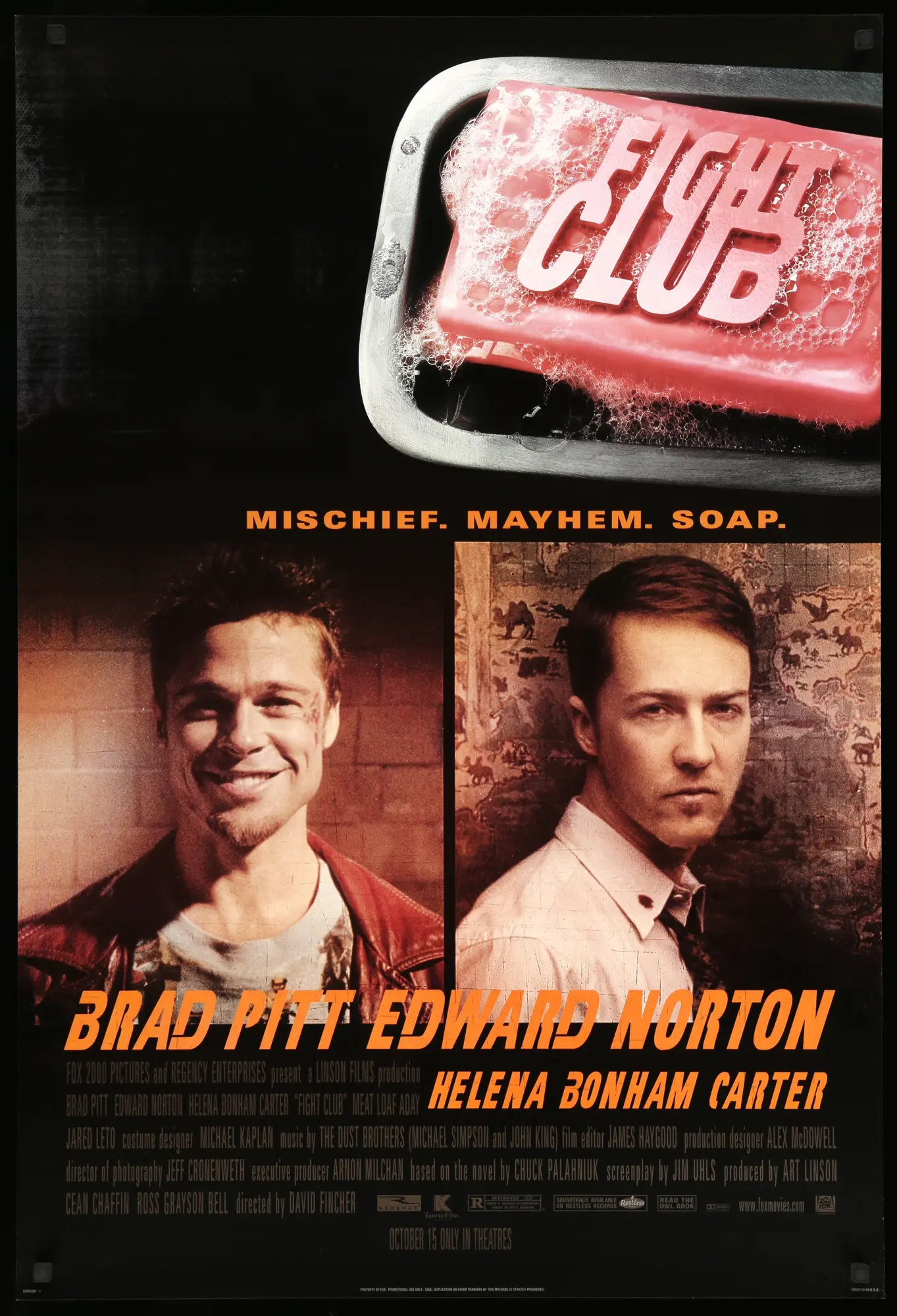
Both films turn on the same mechanism: a man who cannot become himself invents a proxy and lives through him instead. Val doesn’t create Jackson King (he finds him), but the dynamic is identical. He hands over his agency in installments, and by the time he understands the cost, it’s already paid. Where Fight Club externalizes that split into spectacle, Mr. Jack keeps it contained, domestic, quiet. The destruction is just as complete.
Mulholland Drive
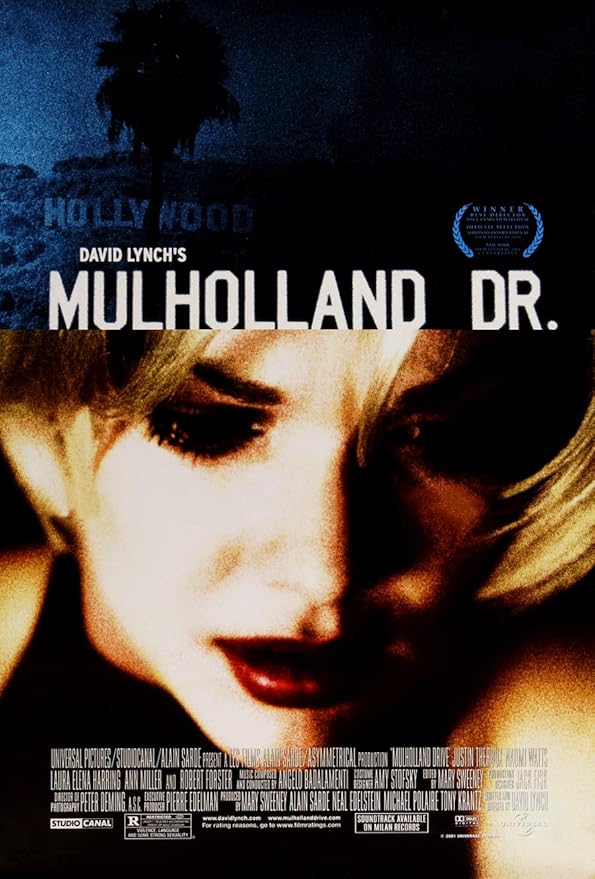
The comparison isn’t genre. It’s structure. Both films are about a person who constructs a version of reality that protects them from what they cannot accept, and then watches that construction fail. Lynch uses dream logic; Mr. Jack uses the fixed frame and restrained cutting. The result is the same: a growing sense that what we’re seeing is not quite what’s happening, and that the gap between the two is where the real film lives.
Taxi Driver
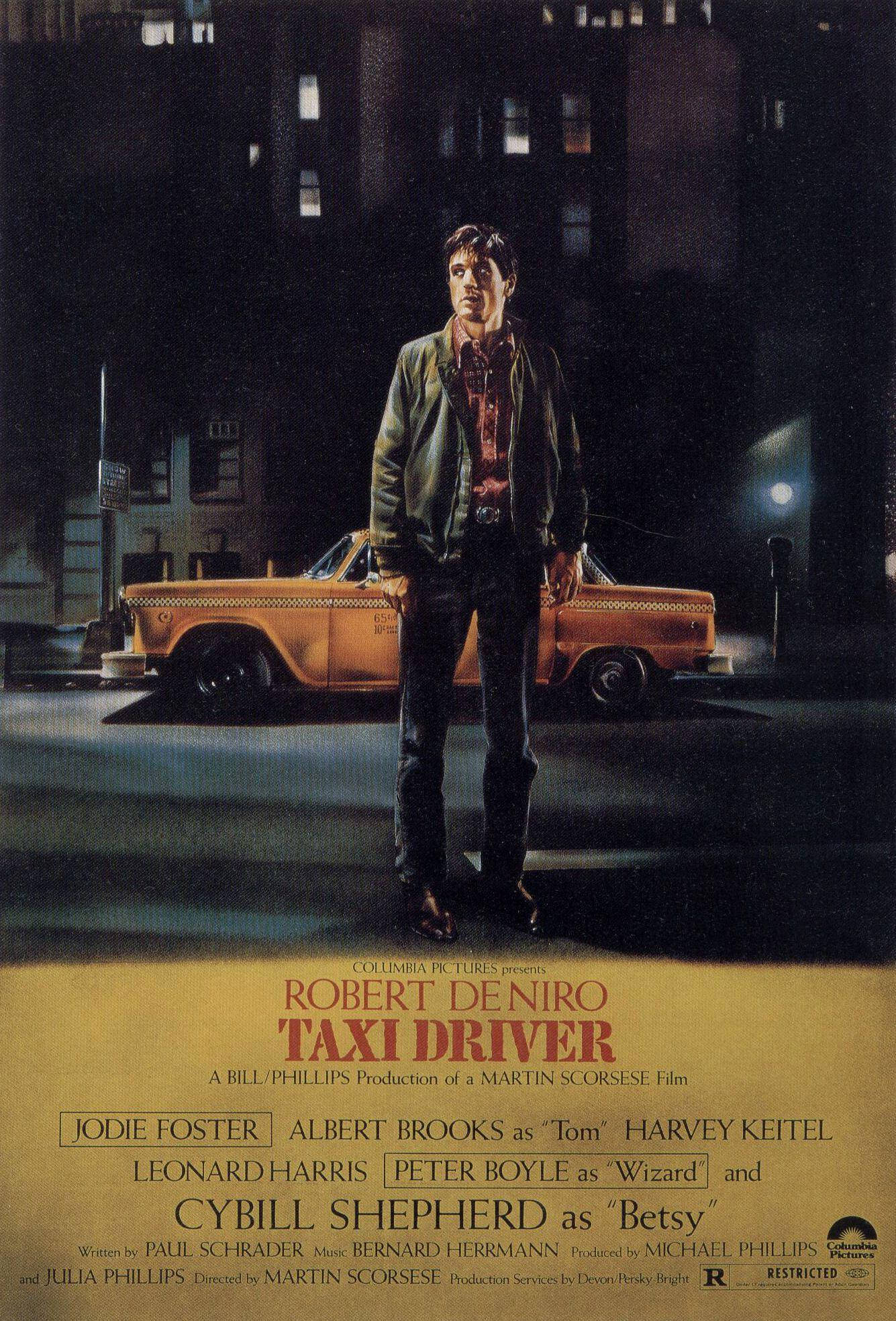
New York City is not backdrop in either film. It is pressure. Scorsese’s Lower East Side and Hell’s Kitchen push against Travis Bickle until he breaks outward into violence. Mr. Jack’s New York City pushes inward. Val Shepard absorbs the city’s weight and turns it on the people closest to him. Both films understand that the city doesn’t cause what happens. It makes evasion impossible. You can’t disappear into it. Eventually, it gives you back to yourself.